

Acquisitions in the Shipping Industry: A Strategic Overview
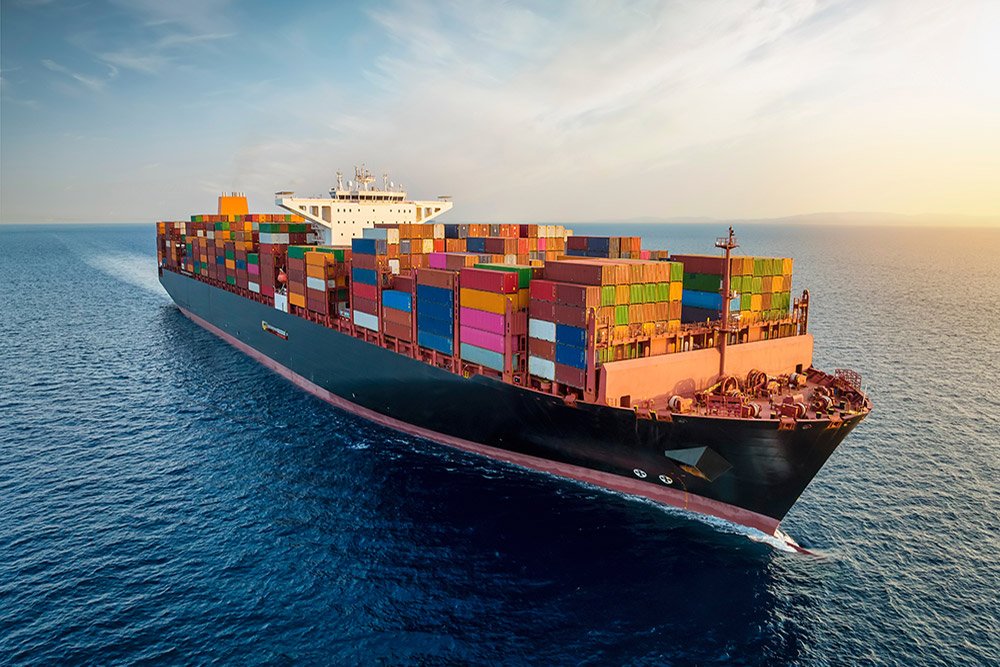
The global shipping industry — a $500+ billion sector that moves roughly 90% of world trade — has long been shaped by consolidation.
From mega-mergers among container lines to private equity buyouts of tanker fleets, acquisitions remain one of the most powerful levers for growth, scale, and competitive repositioning.
Understanding how these deals work, what makes them complex, and where the value lies is essential for anyone operating in or investing in the maritime world.
How Acquisitions Work in Shipping
At its core, a shipping acquisition follows the same framework as any M&A transaction: a buyer identifies a target, conducts due diligence, agrees on a price, secures financing, and closes the deal. But the mechanics carry industry-specific wrinkles that make shipping M&A uniquely demanding.
Acquisitions typically take one of three forms.
Asset acquisitions involve purchasing individual vessels or a fleet directly — common in bulk carriers, tankers, and containerships.
Corporate acquisitions involve buying a shipping company outright, inheriting its contracts, operations, crew, and liabilities.
Strategic mergers bring together two companies of comparable size to create a combined entity with greater market share, as seen in the landmark CMA CGM–APL deal and the Maersk–Hamburg Süd combination.
Due diligence in shipping extends well beyond financials.
Buyers must assess the technical condition of vessels, remaining useful life, classification society records, port state control inspections, charter party agreements, flag state compliance, and environmental certifications.
A ship that looks attractive on paper may carry deferred maintenance costs or non-compliance issues that dramatically affect value.
Challenges
Shipping acquisitions are notoriously difficult to execute cleanly, and several structural challenges stand out.
Cyclicality is the industry’s defining risk.
Freight rates — and therefore asset values — can swing violently within months, making it easy to overpay at the top of a cycle.
The Baltic Dry Index, for example, collapsed from over 11,000 points in 2008 to under 1,000 within a year.
Buyers who acquire at peak valuations often find themselves underwater before the ink is dry.
Regulatory complexity adds another layer.
Shipping operates under a web of international law — IMO regulations, SOLAS, MARPOL, flag state requirements — alongside bilateral trade agreements and sanctions regimes.
A target operating vessels in sanctioned jurisdictions or flagged under non-compliant registries can expose the acquirer to significant legal and reputational risk.
Environmental transition costs are an increasingly prominent concern.
IMO’s decarbonization targets require vessels to meet stricter carbon intensity standards.
Older tonnage may require retrofitting with scrubbers, ballast water treatment systems, or alternative fuel compatibility — costs that must be factored into any acquisition price.
Crew and operational integration can also derail value creation. Merging two shipping operations means harmonizing crewing standards, vessel management systems, safety cultures, and commercial teams — often across multiple jurisdictions.
Opportunities
Despite these challenges, shipping acquisitions offer compelling strategic and financial upside.
Economies of scale are perhaps the strongest driver.
Larger fleets generate negotiating leverage with shipyards, suppliers, port operators, and fuel providers. They also allow more efficient deployment of commercial and technical management resources, driving down cost per vessel.
Market consolidation creates pricing power.
The container shipping sector has transformed from a fragmented industry of dozens of carriers to one dominated by three major alliances. Participants gained the ability to rationalize capacity and, in recent years, capture historically high freight margins.
Distressed acquisitions represent a classic opportunity, particularly during downturns. Overleveraged shipowners forced to sell at trough valuations create entry points for well-capitalized buyers who can weather the cycle and benefit from the inevitable recovery.
Fleet renewal and technology access offer a further dimension.
Acquiring a company with a modern, fuel-efficient fleet or proprietary digital logistics capabilities can accelerate a buyer’s competitive positioning faster than organic investment.
Valuation
Valuing a shipping company requires blending asset-based and income-based approaches.
The Net Asset Value (NAV) method — summing the market value of the fleet minus outstanding debt — is the industry’s foundational framework. Vessel values are typically benchmarked against broker assessments and comparable sales in the second-hand market.
For companies with contracted revenue, a discounted cash flow (DCF) analysis layered on top of NAV provides a fuller picture, capturing the premium or discount represented by existing charter rates relative to spot market conditions.
EV/EBITDA multiples are commonly referenced in peer comparisons, though they must be interpreted carefully given the cycle’s impact on earnings.
Finance Structuring
Shipping acquisitions are rarely equity-funded alone. The capital-intensive nature of the sector — a single VLCC can cost $100 million — demands sophisticated financing structures.
Senior secured debt from commercial banks or export credit agencies typically funds 50–70% of vessel values, secured against the ships themselves.
Sale-and-leaseback arrangements allow buyers to acquire operational control while freeing up balance sheet capacity.
High-yield bonds and preferred equity are used for larger corporate acquisitions where traditional bank lending is insufficient.
Private equity sponsors increasingly use leveraged buyout (LBO) structures, pairing asset-backed debt with equity from infrastructure or opportunistic funds.
In recent years, green financing instruments — sustainability-linked loans and green bonds tied to environmental KPIs — have gained traction as lenders and investors price in ESG considerations.
Conclusion
Shipping acquisitions reward those who understand both the cyclical nature of the industry and the operational depth required to extract value. Whether driven by scale ambitions, distressed opportunity, or fleet modernization, success depends on disciplined valuation, rigorous due diligence, and financing structures that can survive the inevitable turns of the freight cycle.
